Deep Plane Facelift Surgery.

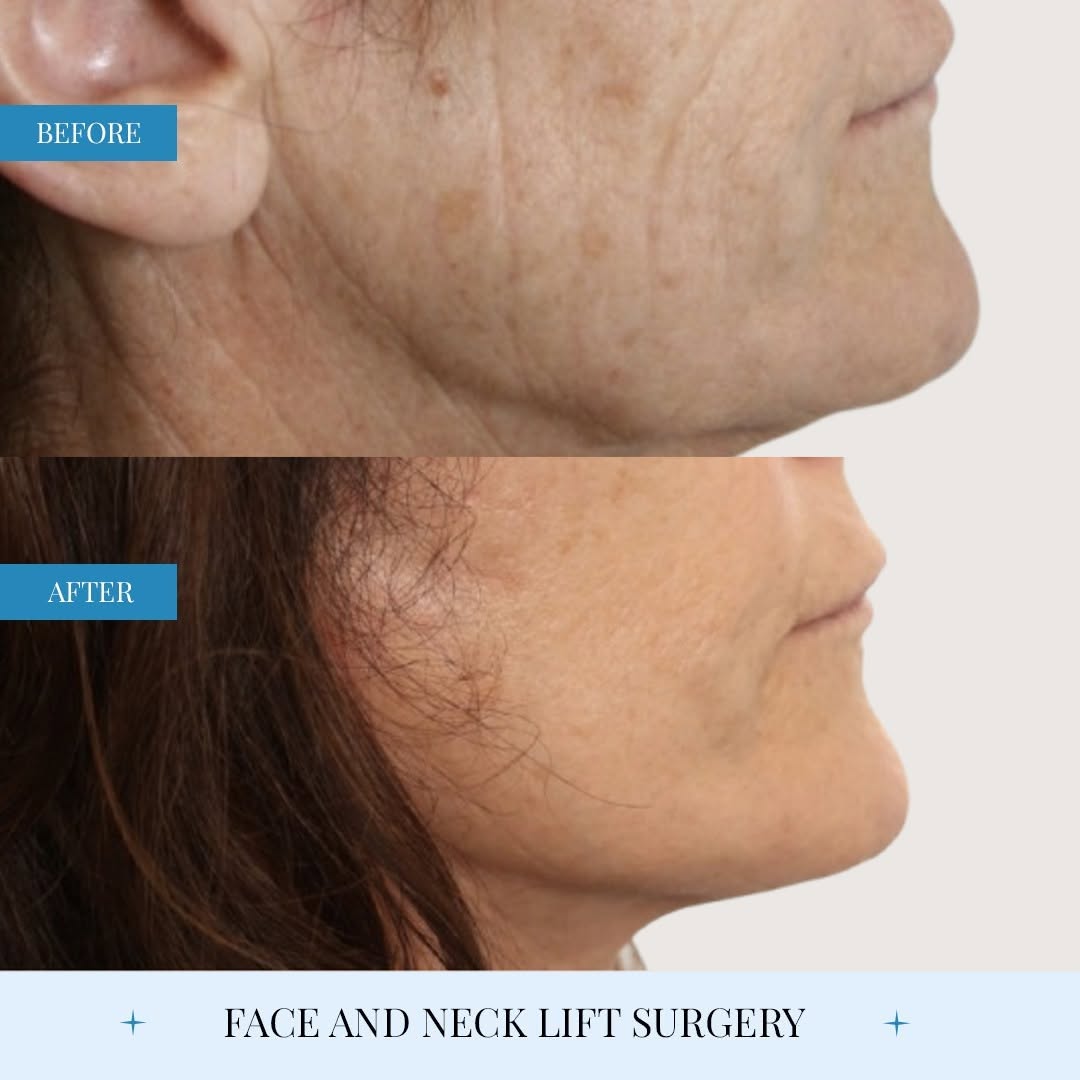
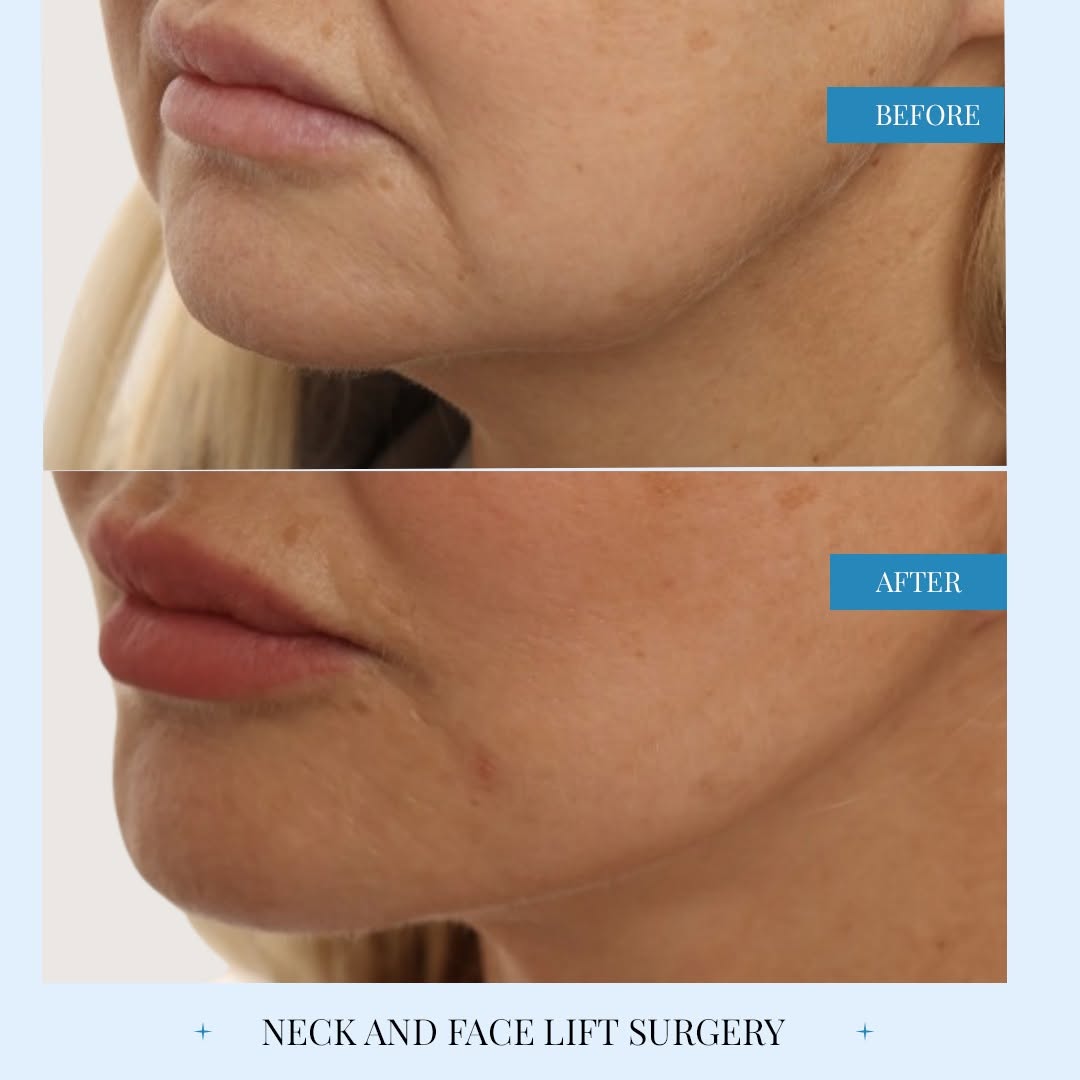
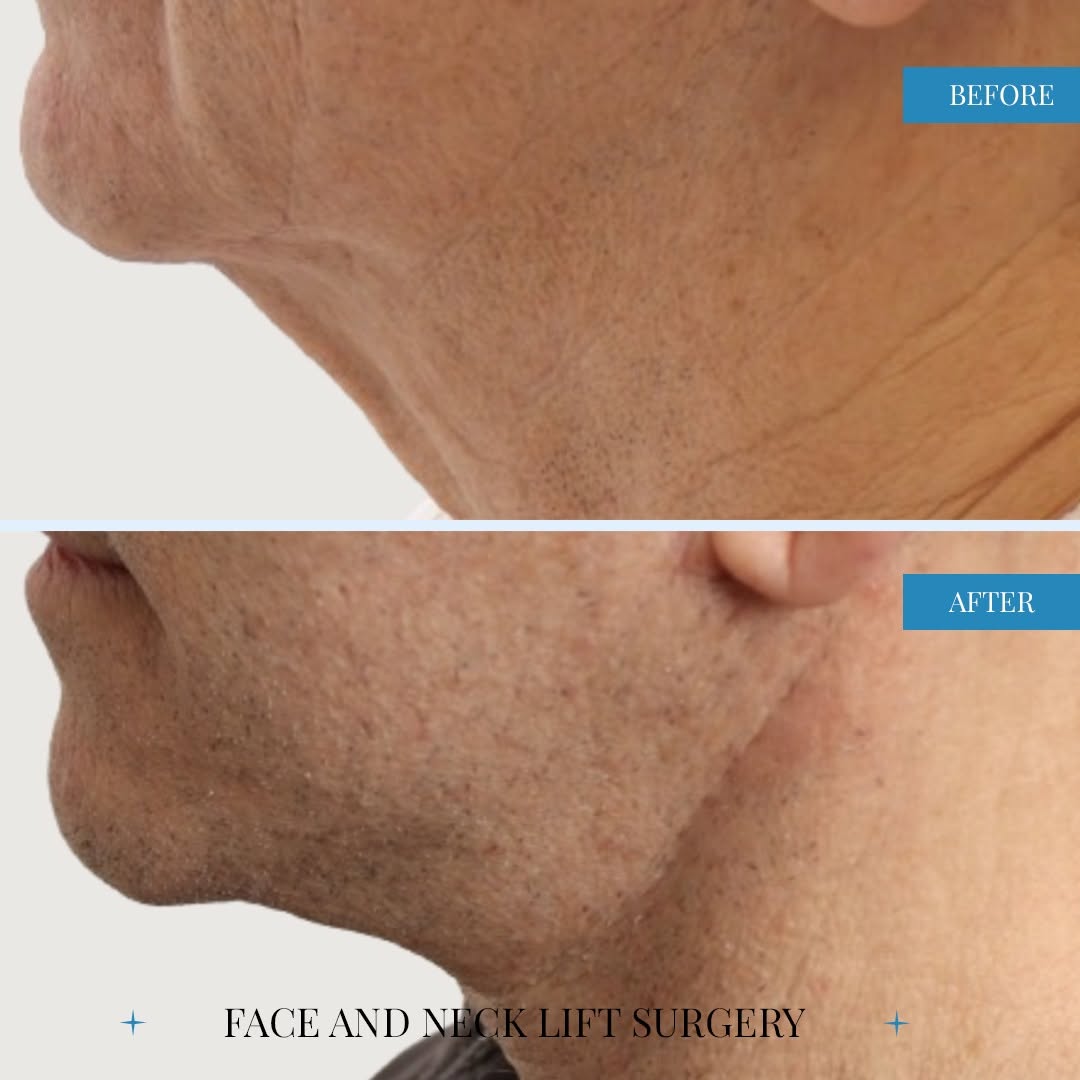
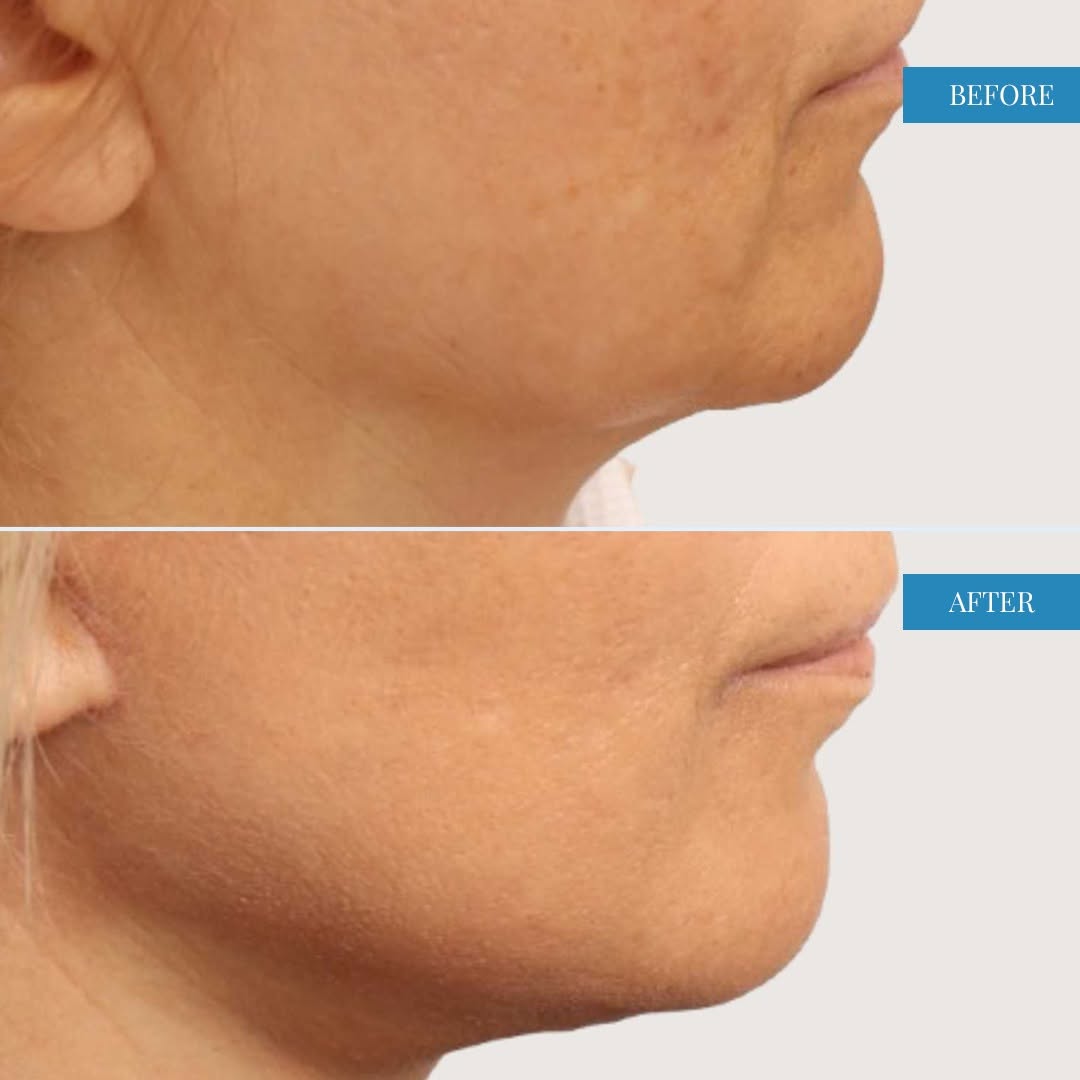
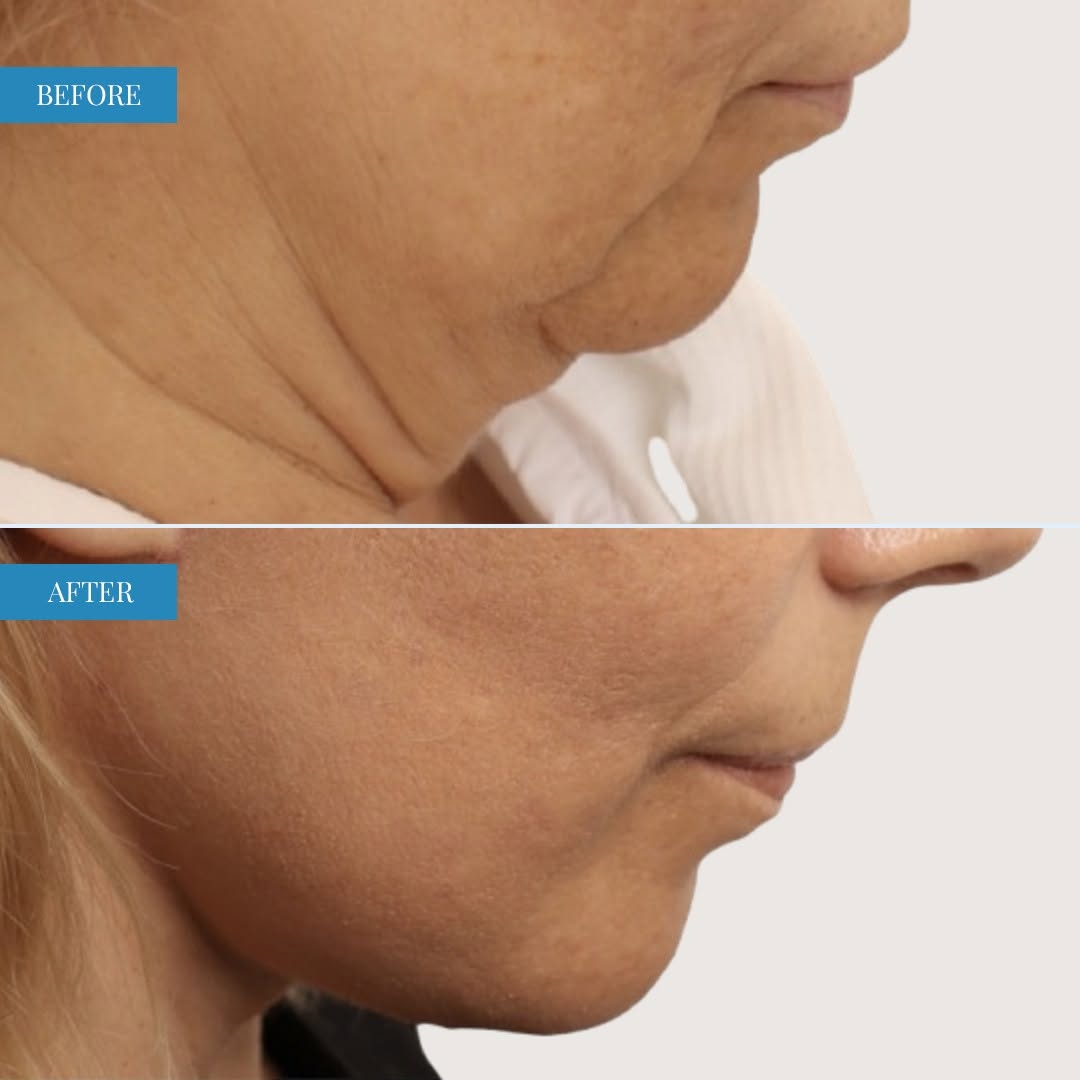
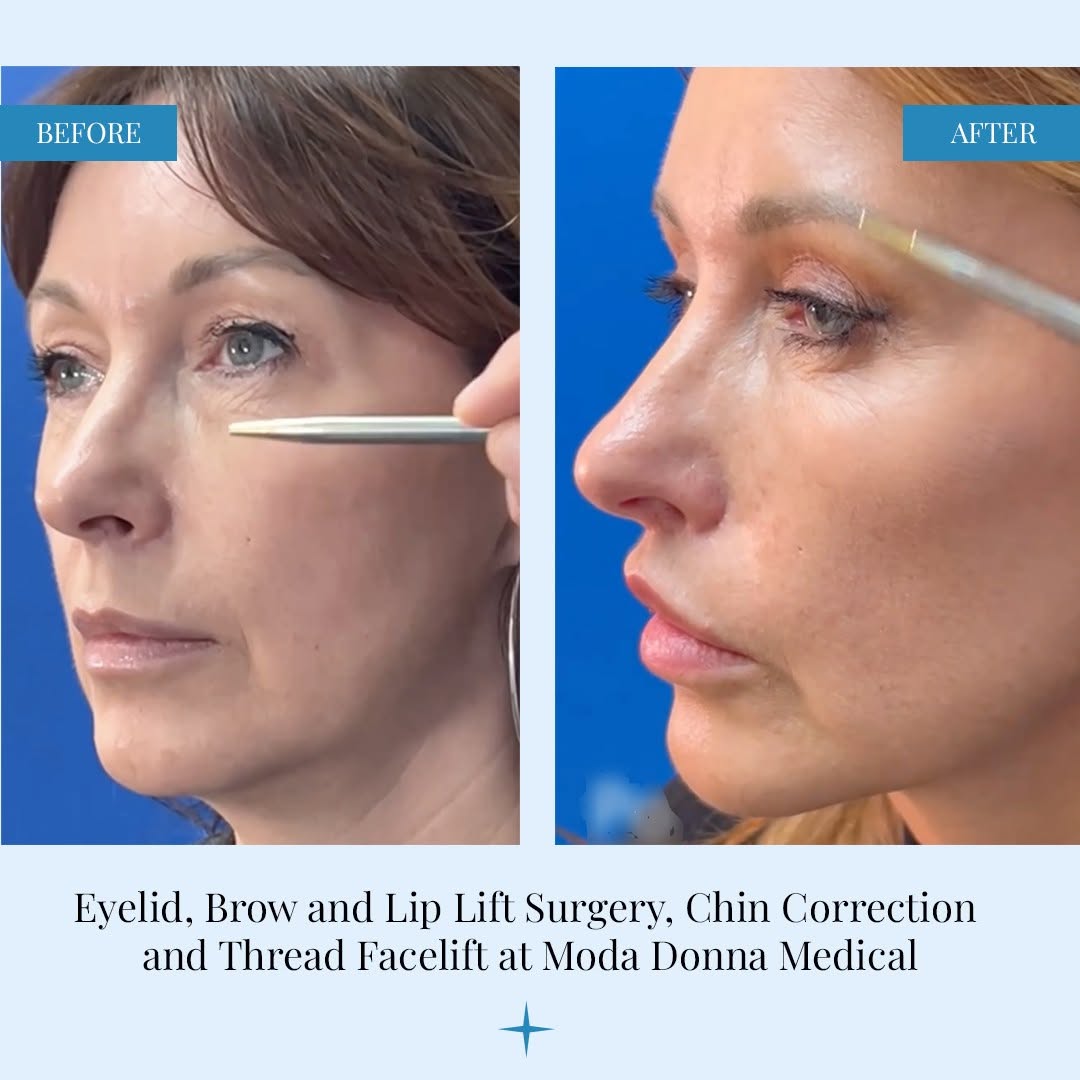
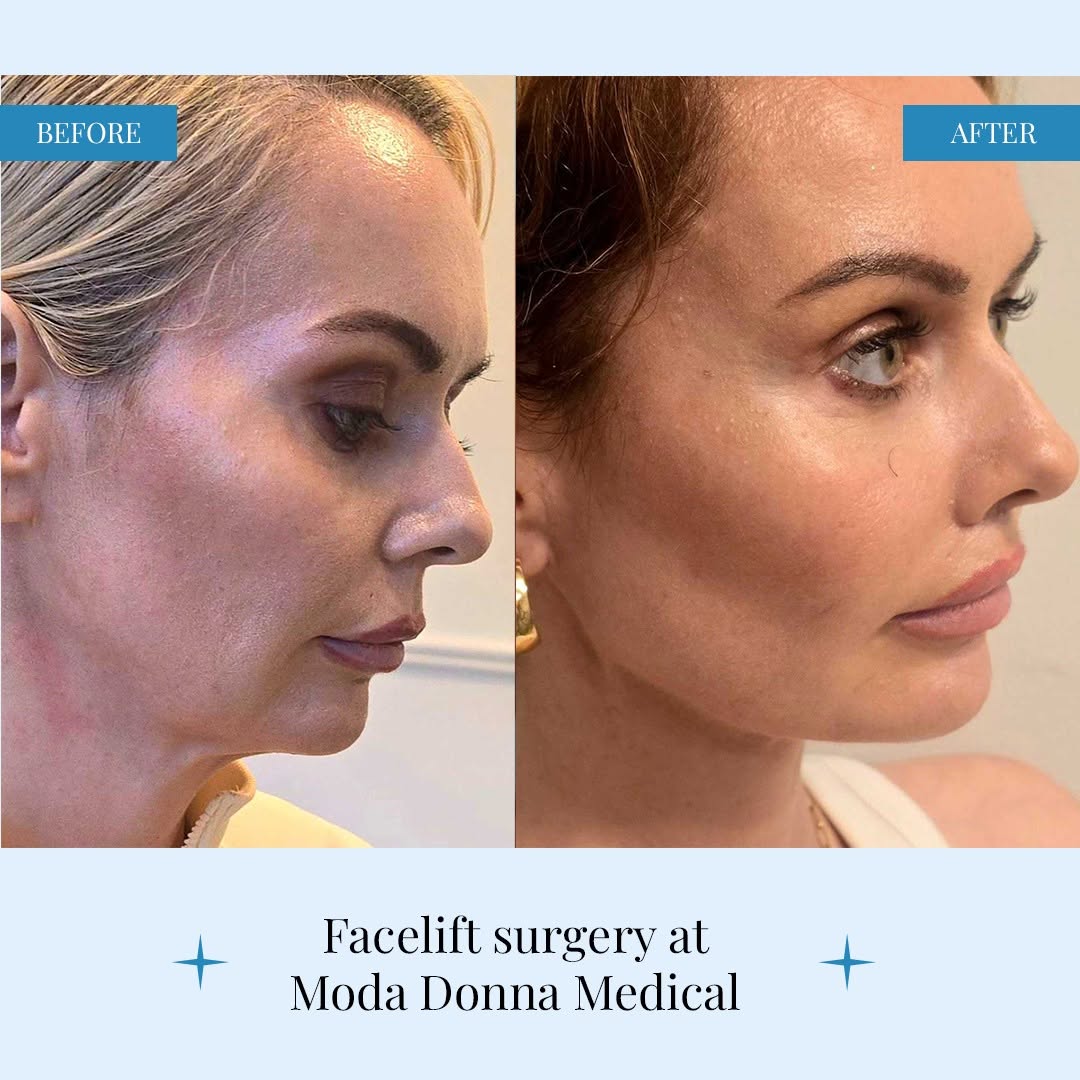
Deep Plane Facelift Surgery is an advanced facial rejuvenation procedure designed to address moderate to significant signs of facial ageing by lifting and repositioning the deeper structural tissues of the face. Unlike skin-only facelift techniques, the deep plane approach works beneath the superficial musculoaponeurotic system (SMAS), allowing the surgeon to reposition deeper facial tissues and restore more youthful facial contours.

At Moda Donna Medical, deep plane facelift surgery focuses on achieving natural-looking, balanced, and long-lasting facial rejuvenation while preserving each patient's unique facial characteristics and expressions.

As the face ages, changes in skin elasticity, facial fat distribution, and supporting structures contribute to sagging cheeks, deep nasolabial folds, jowls, and reduced jawline definition. Deep plane facelift surgery addresses these changes by releasing selected facial retaining ligaments and repositioning the deeper facial tissues, including the SMAS and overlying skin as a composite unit.

Search by Condition or Treatment
Deep Plane Facelift Surgery info.
Deep Plane Facelift Surgery
Price: From € 6800
Anaesthetic: General
Hospital Stay: 1-2 Nights
Post-Operative: Final results - 6-9 month
Surgery Location: Lithuania
Duration of surgery: Up to 6 hours
Aftercare: Dedicated aftercare in Swords Clinic, Co. Dublin
Surgeon Medical License : Irish Medical Council license , EU licenses
Surgeon Consultation Location: Dublin, Ireland
Finance: humm Finance available

Moda Donna - Ireland's Leading facial surgery and cosmetic surgery clinic with great expertise in a wide range of surgical treatments. Please contact Moda Donna if you're considering facial fat transfer surgery or any Cosmetic surgery.

All of our facelift surgery or other facial surgery treatments and procedures take place at our partner Cosmetic surgery centres in Lithuania. We provide cosmetic surgery consultations and aftercare services in Dublin, Ireland. All Cosmetic Surgery procedures are performed at the top European cosmetic surgery centres in Lithuania!

FAQ.
01 / What is deep plane facelift surgery?

Deep plane facelift surgery is a cosmetic surgical procedure that lifts and repositions facial tissues beneath the SMAS layer. By releasing selected retaining ligaments and mobilising deeper facial structures, the surgeon can improve sagging cheeks, deep facial folds, jowls, and loss of jawline definition.

02 / Benefits of Deep Plane Facelift Surgery?

Advanced Facial Rejuvenation: Addresses deeper facial structures responsible for visible tissue descent and sagging. Lifting of Sagging Cheeks: Repositions descended midfacial tissues to restore more youthful cheek contours. Improved Jawline Definition: Reduces jowls and restores a smoother, more defined lower facial contour. Reduction of Deep Facial Folds: May soften prominent nasolabial folds and marionette lines. Natural-Looking Results: Repositions deeper tissues while reducing the need for excessive skin tension. Long-Lasting Improvement: Results can remain noticeable for many years, although natural ageing continues. Comprehensive Facial Contouring: Can improve the midface, lower cheeks, and jawline during a single procedure. Personalised Surgical Approach: Treatment tailored to individual facial anatomy and aesthetic expectations.

03 / How is a deep plane facelift different from a traditional facelift?

A traditional skin-only facelift primarily tightens and removes excess skin. A deep plane facelift addresses deeper facial tissues and supporting structures, allowing the surgeon to reposition descended facial tissues rather than relying mainly on skin tightening. Many modern traditional facelifts also incorporate SMAS techniques.

04 / What is the difference between a deep plane facelift and an SMAS facelift?

Both techniques address deeper facial structures. An SMAS facelift generally involves tightening, folding, or repositioning the SMAS layer, while a deep plane facelift involves dissection beneath the SMAS and release of selected retaining ligaments. Neither technique is universally superior, and the most suitable approach depends on facial anatomy and individual treatment goals.

05 / What areas does a deep plane facelift improve?

A deep plane facelift primarily addresses the midface, lower cheeks, nasolabial folds, jowls, and jawline. Depending on the technique, it may also improve the upper neck and transition between the face and neck.

06 / Can a deep plane facelift improve sagging cheeks?

One of the main objectives of deep plane facelift surgery is to reposition descended cheek tissues. This can improve midfacial contours and restore a more youthful transition between the cheeks and lower face.

07 / Can a deep plane facelift improve jowls and jawline definition?

Deep plane facelift surgery can improve jowls by repositioning descended lower facial tissues, helping create a smoother and more defined jawline.

08 / Will facelift surgery look natural?

Modern facelift techniques aim to restore facial contours while maintaining natural facial expressions. By repositioning deeper tissues rather than simply stretching the skin, surgeons can achieve a refreshed appearance without an excessively tight or artificial look. Results vary between patients.

09 / How much does a facelift cost?

The cost varies depending on the patient’s case and desired outcome. General price starts from €6800

10 / How long does a facelift take?

Facelift surgery typically takes approximately 2–5 hours, depending on the surgical technique, complexity, and whether additional procedures are performed.

11 / Are there any scars left after surgery?

The incisions are made at the hairline and around the ears, making them easy to hide. Over time, they fade and become almost invisible.

12 / How long will the result last?

After a facelift, you will be able to enjoy a younger-looking face for around ten years.

13 / How long will I stay in the hospital after surgery?

1 to 2 days in the hospital are usually enough after facelift surgery

14 / What is the best age for facelift surgery?

There is no specific ideal age for facelift surgery. Many patients consider the procedure between their 40s and 70s, although suitability depends more on facial anatomy, skin condition, degree of ageing, general health, and individual goals than chronological age.

15 / Can facelift surgery be combined with other procedures?

Facelift surgery may be combined with neck lift surgery, blepharoplasty, brow lift surgery, or facial fat grafting, depending on the patient's needs. Combining procedures may offer more comprehensive rejuvenation, but it can also increase surgical complexity and recovery requirements.

16 / When will I see the final results?

Initial improvements become visible as swelling and bruising decrease over the first several weeks. Facial contours continue to settle over the following months, with more mature results generally becoming apparent within approximately 3–6 months. Scar maturation can take longer.

Our Doctors.
Rytis Rimdeika

MD, PhD, Professor, Plastic and Reconstructive Surgeon

Gintaras Papečkys

Plastic and Reconstructive Surgeon

Ernest Zacharevskij

MD, PhD, Plastic and Reconstructive Surgeon

Kęstutis Maslauskas

MD, PhD, Plastic and Reconstructive Surgeon

Justinas Grašys

MD, PhD, Plastic and Reconstructive Surgeon

WhatsApp icon
Cookies Settings Accept All Cookies