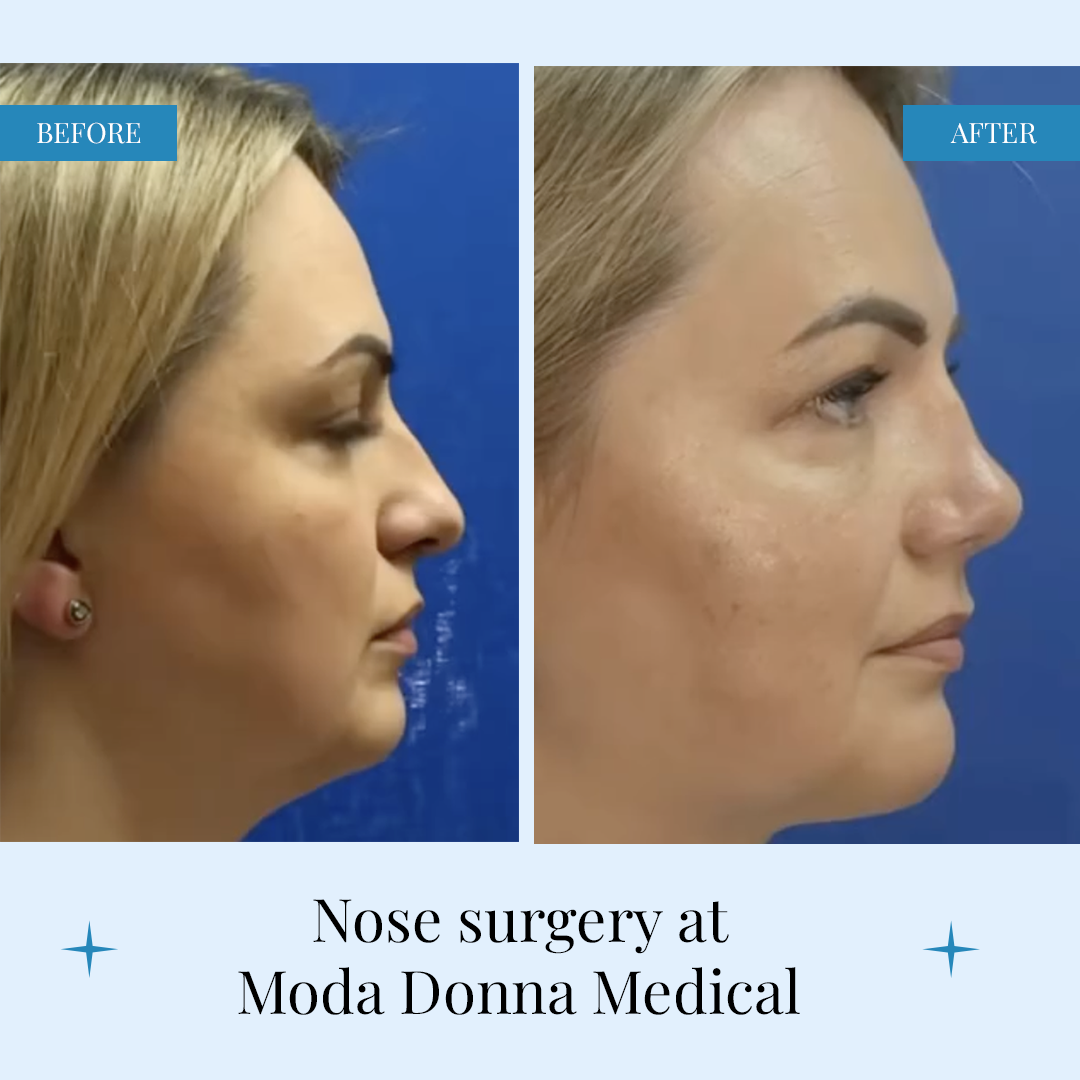
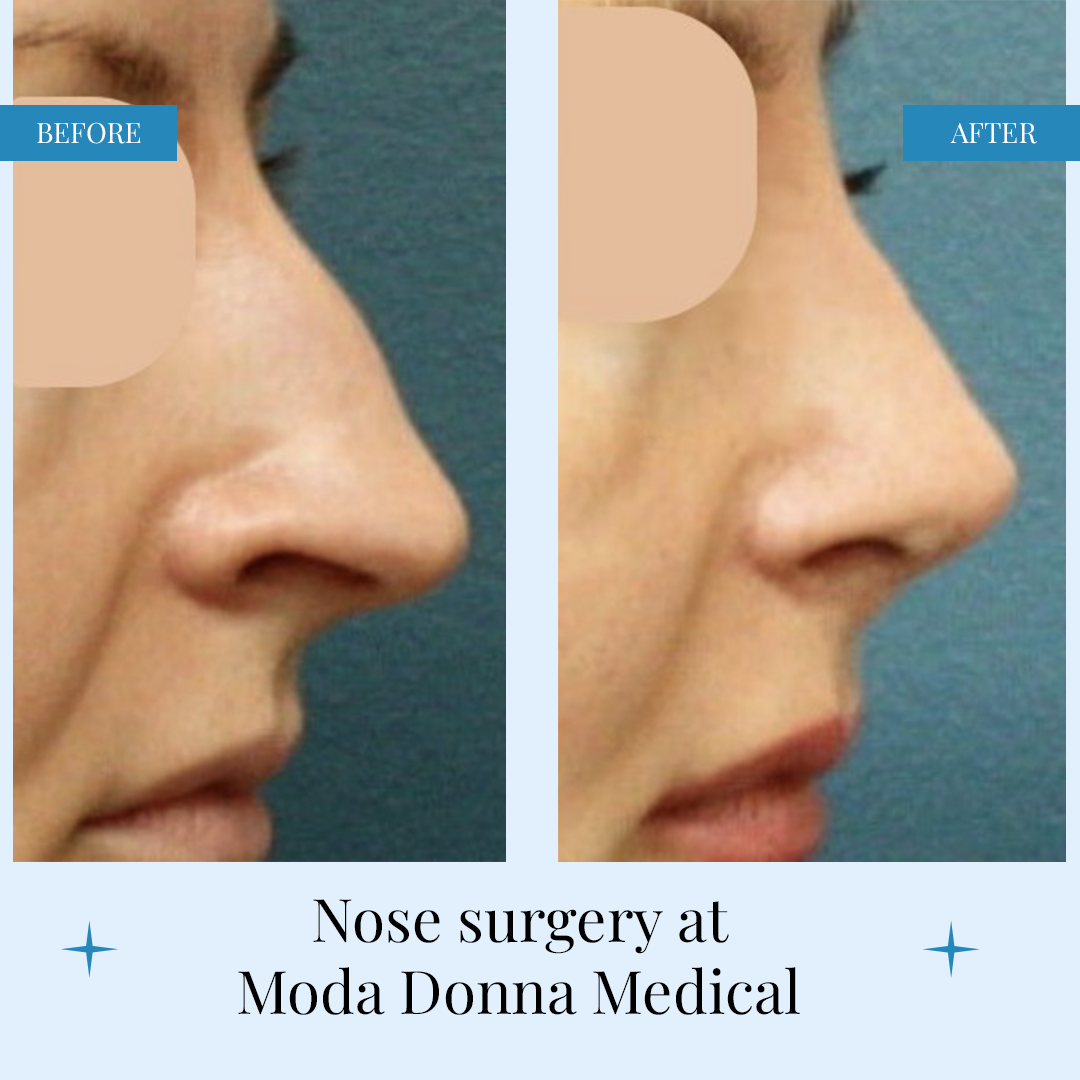
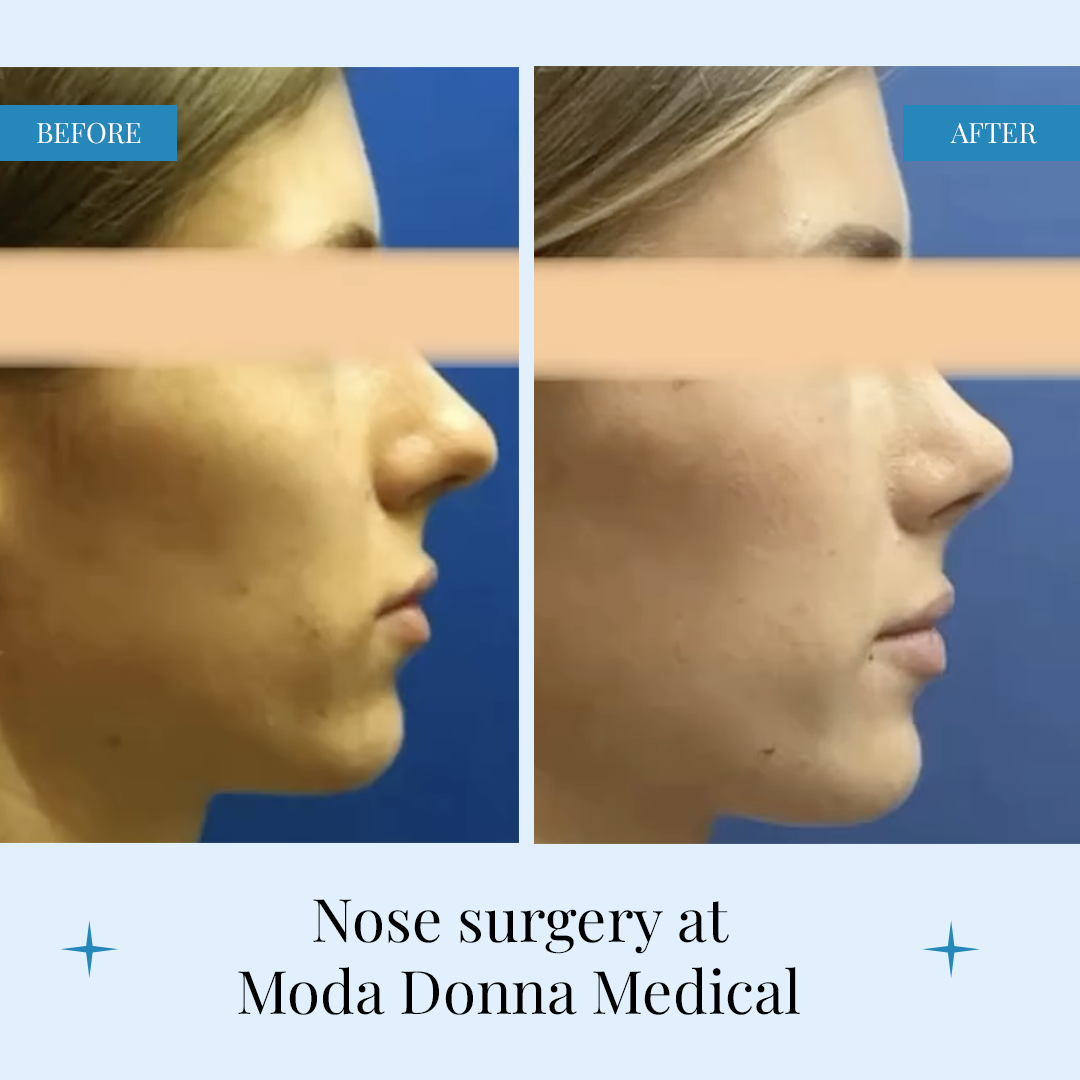
Preservation Rhinoplasty.

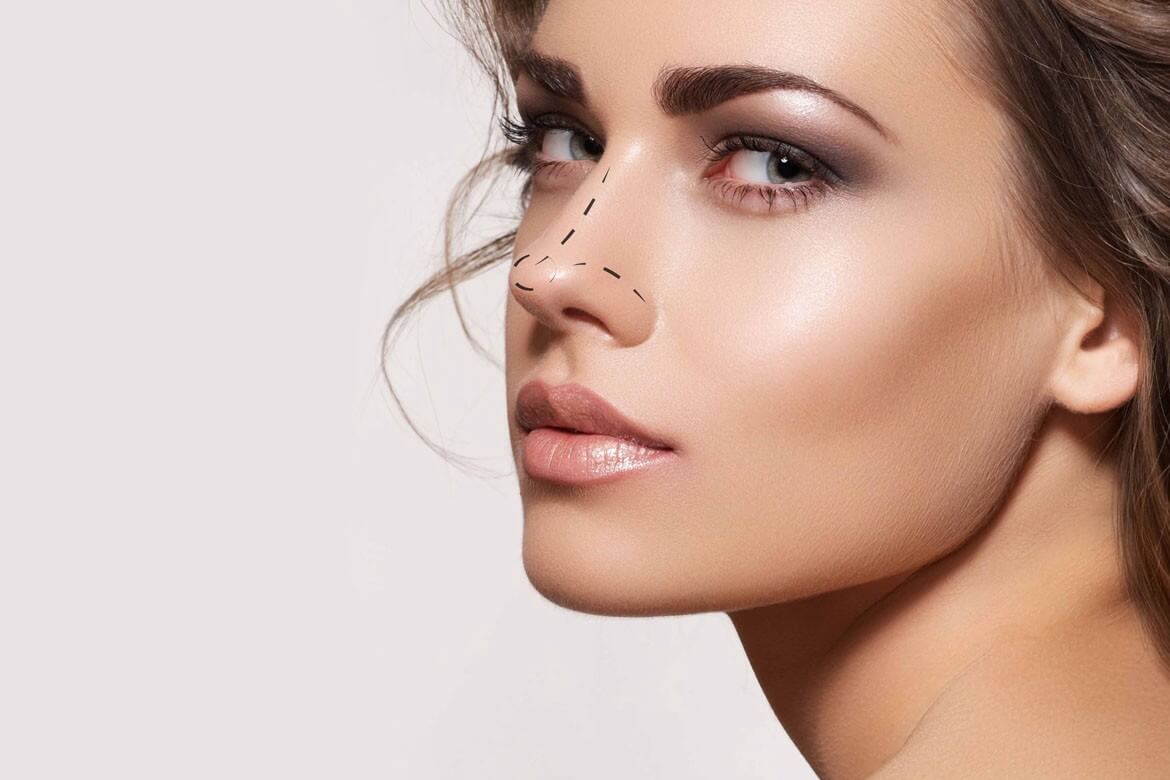
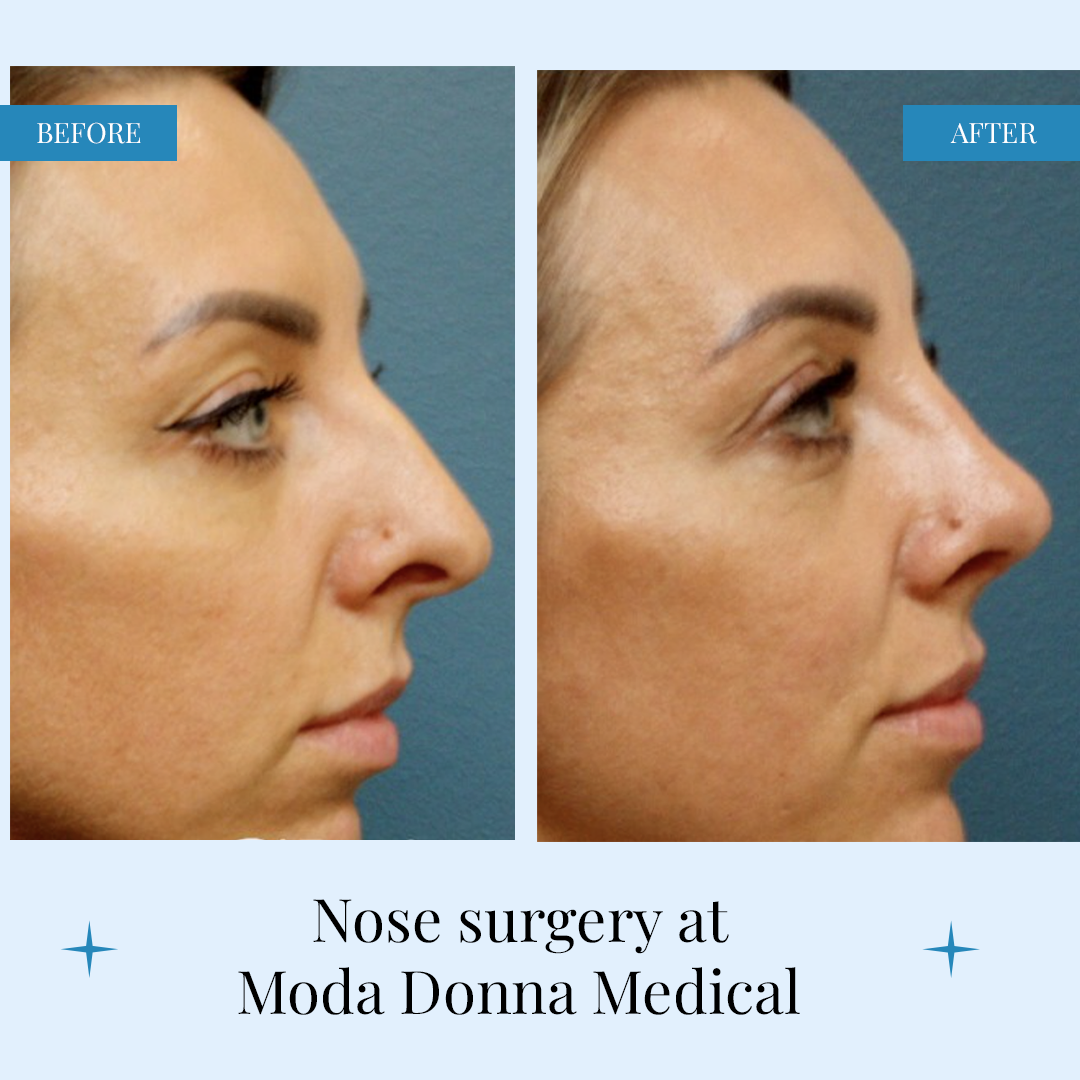
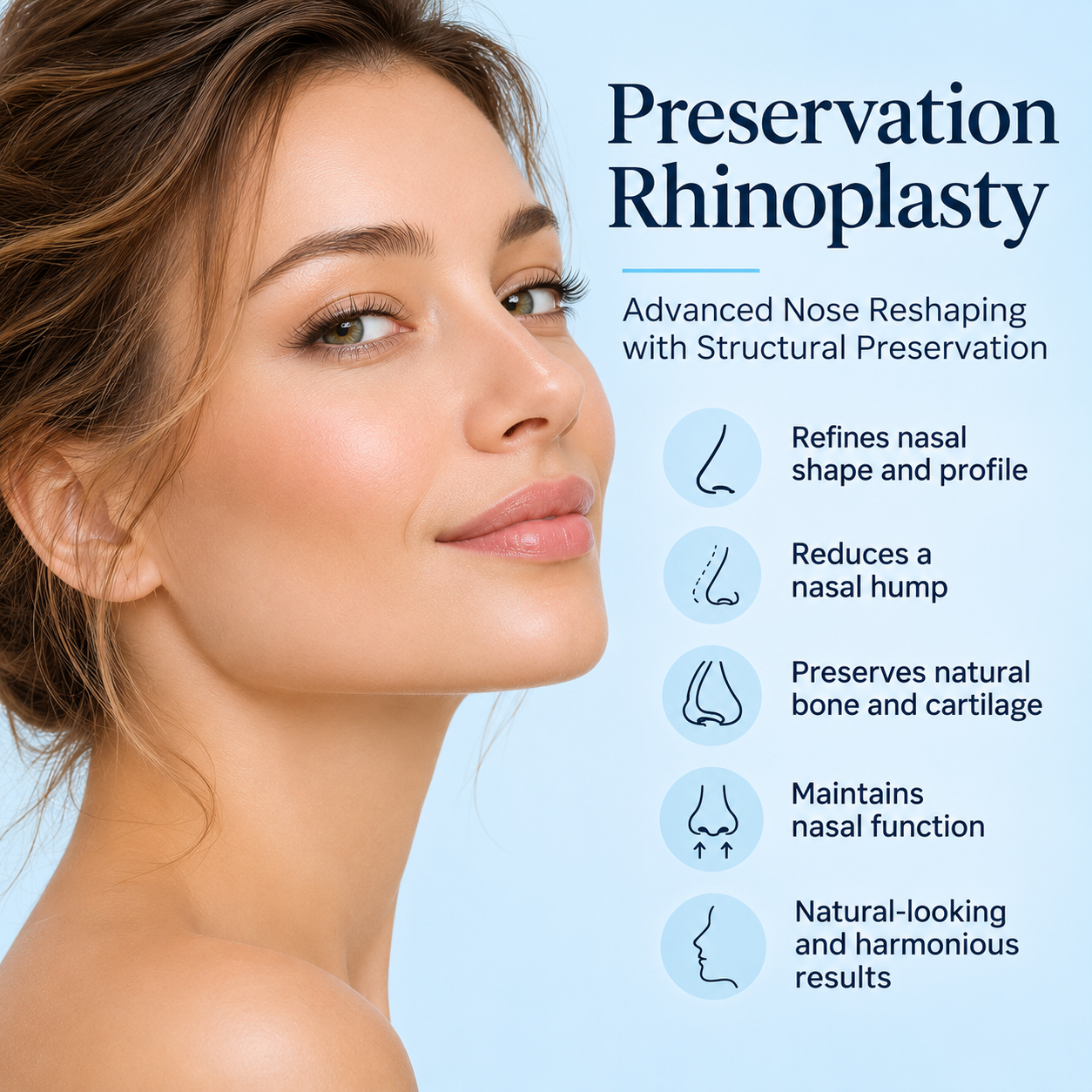
Preservation Rhinoplasty is an advanced surgical technique designed to reshape and refine the nose while preserving as much of its natural bone, cartilage and supporting structures as possible.

Unlike traditional rhinoplasty techniques that may involve removing or reconstructing parts of the nasal bridge, Preservation Rhinoplasty aims to maintain the natural anatomy of the nose while improving its shape, proportions and facial harmony.

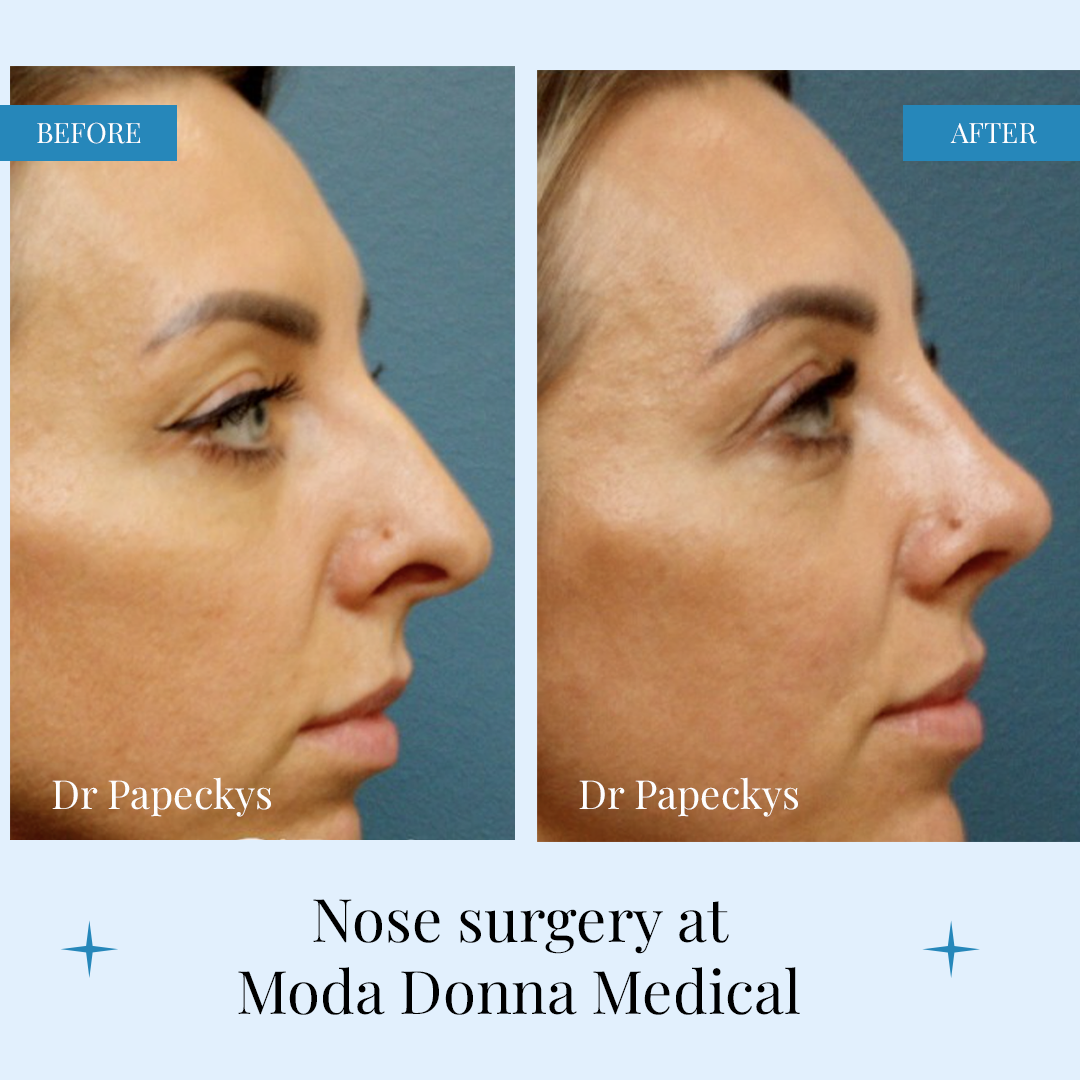
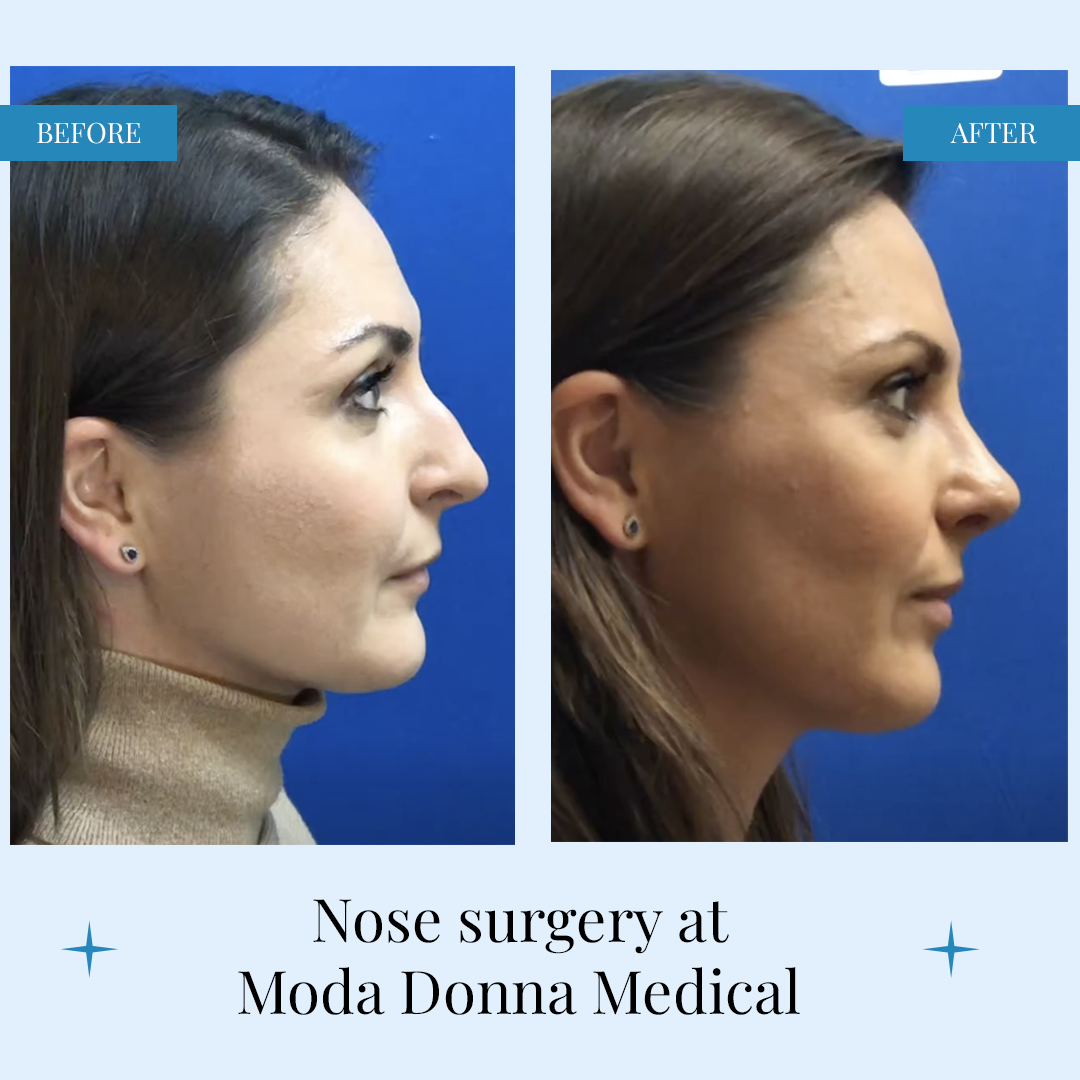
The procedure is particularly suitable for selected patients seeking correction of a prominent nasal hump, refinement of the nasal bridge or improvement in overall nasal proportions. Depending on individual anatomy, the surgeon may use specialised techniques to lower or reposition the nasal bridge while maintaining its natural contour.

At Moda Donna Medical, Preservation Rhinoplasty focuses on personalised surgical planning, natural-looking aesthetic results and maintaining nasal structural integrity and breathing function.

Search by Condition or Treatment
Preservation Rhinoplasty info.
Preservation Rhinoplasty
Price: From €3800
Anaesthetic: General
Surgery Location: Lithuania
Aftercare: Dedicated aftercare in Swords Clinic, Co. Dublin
Surgeon Medical License : Irish Medical Council license , EU licenses
Surgeon Consultation Location: Dublin, Ireland
Finance: humm Finance available

Moda Donna Medical - Ireland's Leading Rhinoplasty or plastic nose surgery clinic with great expertise in a wide range of surgical nose treatments. Please contact Moda Donna if you're considering rhinoplasty surgery or any other Cosmetic surgery procedure.

All of our rhinoplasty surgery treatments and procedures take place at our partner Cosmetic surgery centres in Lithuania. We provide cosmetic surgery consultations and aftercare services in Dublin, Ireland.

FAQ.
01 / What is Preservation Rhinoplasty?

Preservation Rhinoplasty is a surgical nose reshaping technique that aims to preserve natural nasal structures while improving the appearance, shape and proportions of the nose.

02 / How is Preservation Rhinoplasty different from traditional Rhinoplasty?

Traditional rhinoplasty may involve removing and reconstructing parts of the nasal bridge. Preservation Rhinoplasty uses techniques that retain selected natural nasal structures, often lowering or repositioning the nasal bridge rather than removing its upper surface.

03 / Is Preservation Rhinoplasty performed using an open or closed technique?

Preservation Rhinoplasty can be performed using either open or closed surgical approaches. The choice depends on nasal anatomy, the complexity of correction and the surgeon's assessment.

04 / Can Preservation Rhinoplasty refine the nasal tip?

Nasal tip refinement can be performed alongside preservation techniques when required. The surgeon may reshape or reposition tip cartilage to improve definition, projection and symmetry.

05 / Can Preservation Rhinoplasty remove a nasal hump?

Preservation Rhinoplasty can reduce certain nasal humps by repositioning or lowering the nasal bridge while maintaining its natural dorsal contour.

06 / What is the recovery time after Preservation Rhinoplasty?

Most patients can resume non-strenuous daily activities within approximately 1–2 weeks. Swelling gradually decreases over several months, and complete healing takes longer.

07 / When will I see the final results?

Initial improvements become visible as swelling subsides. Final nasal definition typically develops over 6–12 months, although subtle changes may continue for 12–18 months or longer.

08 / Can rhinoplasty be combined with other facial procedures?

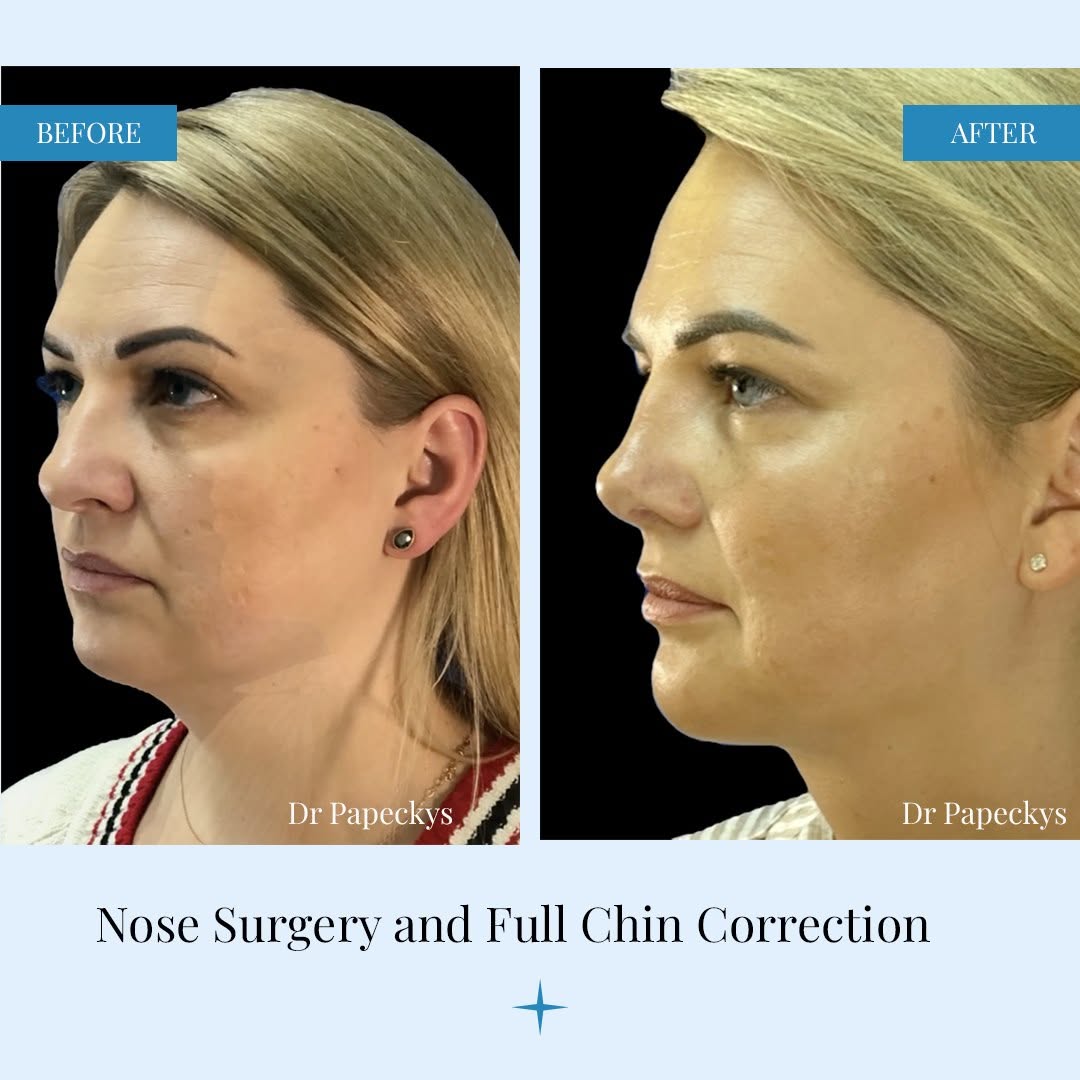
Yes. Rhinoplasty may be combined with selected procedures such as chin augmentation or other facial contouring surgery when clinically appropriate.

09 / Benefits of Plastic Nose Surgery?

Improved Nasal Proportions: Enhances the relationship between the nose and surrounding facial features. Nasal Bridge Reshaping: May reduce a prominent dorsal hump or modify bridge width. Nasal Tip Refinement: Improves selected concerns involving nasal tip shape, projection, or symmetry. Nostril Reshaping: May reduce excessive nostril width or improve nostril proportions. Improved Facial Profile: Can create a more balanced relationship between the nose, lips, and chin. Correction of Nasal Asymmetry: May improve selected structural or aesthetic differences. Personalised Nasal Appearance: Treatment is tailored to individual anatomy and aesthetic preferences. Potential Breathing Improvement: Functional procedures may improve airflow when structural obstruction is present. Reconstruction Following Injury: May restore selected nasal structures affected by trauma. Long-Lasting Structural Results: Surgical changes are generally long-lasting, although healing and ageing continue.

10 / What is rhinoplasty surgery?

Rhinoplasty is a cosmetic surgical procedure designed to improve the shape, size, proportions, and symmetry of the nose. It may involve reshaping the nasal bones, cartilage, bridge, tip, or nostrils to achieve a more balanced facial appearance.

11 / What can rhinoplasty correct?

Rhinoplasty may address a prominent nasal hump, wide nasal bridge, bulbous or drooping nasal tip, excessive nostril width, nasal asymmetry, or changes following injury. When combined with appropriate functional techniques, it may also improve certain structural breathing problems.

12 / Can rhinoplasty make my nose smaller?

Yes. Reduction rhinoplasty can decrease selected aspects of nasal size, including bridge height, nasal width, tip projection, or overall nasal prominence. The achievable reduction depends on the patient's anatomy and the need to preserve structural support.

13 / Can rhinoplasty make my nose narrower?

Yes. Rhinoplasty may narrow selected areas of the nasal bridge, nasal bones, nasal tip, or nostril base. The technique depends on which anatomical structures contribute to nasal width.

14 / Can rhinoplasty remove a bump on my nose?

Yes. A prominent nasal hump can often be reduced by carefully reshaping the nasal bones and cartilage.

15 / Can rhinoplasty lift a drooping nasal tip?

Yes. Nasal tip surgery can improve the rotation and support of a drooping tip. The surgeon may reshape or reposition the nasal tip cartilages and use supporting grafts when necessary.

16 / Can rhinoplasty correct a crooked nose?

Yes. Rhinoplasty may improve nasal deviation or asymmetry caused by natural anatomy, previous injury, or structural abnormalities.

17 / What is the difference between open and closed rhinoplasty?

Open rhinoplasty uses incisions inside the nostrils and a small external incision across the columella, allowing direct access to the nasal framework. Closed rhinoplasty uses internal incisions only. Both approaches can achieve excellent results in appropriately selected patients.

18 / What is tip rhinoplasty?

Tip rhinoplasty focuses on reshaping the nasal tip rather than extensively modifying the entire nose. It may improve tip definition, projection, rotation, or symmetry.

19 / Can rhinoplasty improve breathing?

Yes, when nasal obstruction is caused by structural problems that can be corrected surgically. Functional procedures may address septal deviation, nasal valve weakness, or other anatomical abnormalities.

20 / How long does rhinoplasty surgery take?

Primary rhinoplasty commonly takes approximately 2–4 hours, although the duration varies with the complexity of the procedure. Revision or reconstructive rhinoplasty may take longer.

Our Doctors.
Rytis Rimdeika

MD, PhD, Professor, Plastic and Reconstructive Surgeon

Gintaras Papečkys

Plastic and Reconstructive Surgeon

Ernest Zacharevskij

MD, PhD, Plastic and Reconstructive Surgeon

WhatsApp icon
Cookies Settings Accept All Cookies